Description
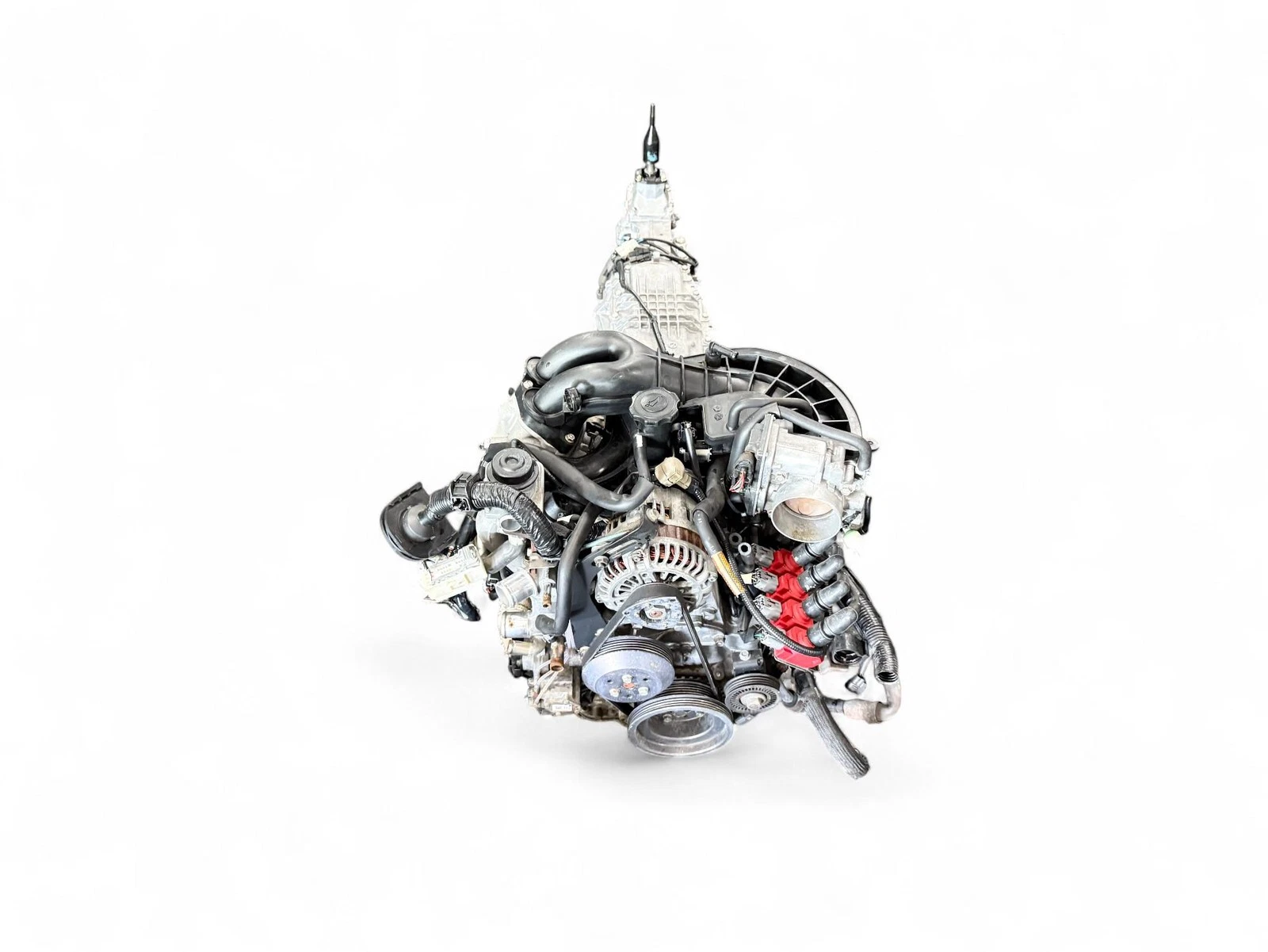
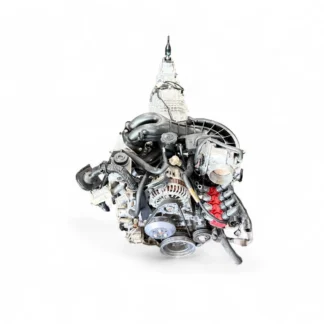
13B RX-7 Rotary Engine
13B Rotary Engine: The Legendary 13B RX-7 Rotary Engine Powerplant That Changed Performance Cars


13B RX-7 Rotary Engine: Complete Guide, Specifications, Performance & History
13B RX-7 Rotary Engine is one of the most iconic engines ever produced in the automotive world. Known for its compact design, high-revving capability, and unique rotary operation, the 13B engine powered legendary vehicles such as the Mazda RX-7 and RX-8. Decades after its introduction, enthusiasts around the world continue to seek out 13B rotary engines for performance builds, restorations, and engine swaps.
What Is the 13B RX-7 Rotary Engine?
The 13B is a two-rotor Wankel rotary engine developed by Mazda. Unlike conventional piston engines that use cylinders and reciprocating pistons, the 13B uses triangular rotors that rotate inside specially shaped housings. This design creates combustion chambers that continuously perform intake, compression, combustion, and exhaust cycles.
The result is an engine that is lightweight, compact, smooth, and capable of producing impressive horsepower relative to its displacement.
Specifications
| Specification | Details |
|---|---|
| Engine Code | Mazda 13B |
| Engine Type | Twin-Rotor Wankel Rotary |
| Displacement | 1.3L (1,308cc) |
| Fuel System | Fuel Injection |
| Block Material | Aluminum |
| Aspiration | Naturally Aspirated & Turbocharged |
| Power Output | 135 – 280 HP |
| Torque Output | 180 – 314 Nm |
| Production Years | 1973 – 2011 |
| Weight | Approximately 150 kg (330 lbs) |
These specifications vary depending on the engine version, including the 13B-T, 13B-REW, and 13B-MSP Renesis.
How Does a 13B Rotary Engine Work?
Unlike traditional engines with pistons, the 13B uses two triangular rotors spinning on an eccentric shaft. As the rotors rotate, they create separate chambers that handle:
- Air intake
- Compression
- Combustion
- Exhaust
Because these processes occur continuously, the engine produces smooth power delivery and can achieve very high RPMs with fewer moving parts than a conventional piston engine.
Popular 13B Engine Variants
13B-T
The first factory turbocharged version of the 13B. It offered increased performance and became highly respected among Mazda enthusiasts.
13B-REW
The most famous 13B variant, found in the Mazda RX-7 FD3S. It was the world’s first mass-produced sequential twin-turbocharged engine and produced up to 280 horsepower.
13B-MSP Renesis
Introduced in the Mazda RX-8, the Renesis featured improved fuel efficiency, reduced emissions, and naturally aspirated performance reaching up to 250 horsepower.
Vehicles Equipped with the 13B Rotary Engine
The Mazda 13B engine was installed in several legendary vehicles:
- Mazda RX-7 FC3S
- Mazda RX-7 FD3S
- Mazda RX-8
- Mazda Cosmo
- Mazda Luce
- Various motorsport and racing applications
The FD RX-7 remains the most recognized platform for the 13B-REW engine due to its combination of lightweight chassis and exceptional power delivery.
Advantages of the 13B Rotary Engine
Compact Size
The rotary design is significantly smaller than comparable piston engines, allowing better weight distribution.
High RPM Capability
Many 13B engines comfortably rev beyond 8,000 RPM and can exceed that with modifications.
Smooth Operation
The absence of reciprocating pistons reduces vibration and creates a unique driving experience.
Excellent Power-to-Weight Ratio
Despite only 1.3 liters of displacement, turbocharged 13B variants can produce impressive horsepower figures.
Common 13B Rotary Engine Problems
While beloved by enthusiasts, the 13B is known for several maintenance considerations:
Apex Seal Wear
Apex seals are critical components that can wear over time, affecting compression and performance.
Oil Consumption
Rotary engines naturally consume oil during operation as part of their design.
Fuel Economy
The 13B generally consumes more fuel than a similarly powered piston engine.
Heat Management
Proper cooling and maintenance are essential, especially in high-performance applications.
Performance Potential
One reason the 13B remains popular is its remarkable tuning potential.
Common upgrades include:
- Single turbo conversions
- Larger intercoolers
- Porting modifications
- Upgraded fuel systems
- Standalone engine management systems
Well-built 13B engines can reliably exceed 400–600 horsepower, while dedicated race builds can produce significantly more.
Why Enthusiasts Still Love the 13B Rotary Engine
The Mazda 13B represents a unique chapter in automotive engineering. Its distinctive sound, high-revving nature, lightweight design, and motorsport heritage have earned it legendary status among enthusiasts worldwide.
Whether installed in an RX-7, RX-8, drift car, race car, or custom swap project, the 13B continues to be one of the most recognizable and sought-after performance engines ever built.
Conclusion
The 13B Rotary Engine remains one of Mazda’s greatest engineering achievements. From the turbocharged 13B-REW found in the iconic RX-7 to the advanced Renesis engine in the RX-8, the 13B has proven that innovative engineering can create unforgettable driving experiences.
For enthusiasts seeking a compact, powerful, and unique engine platform, the Mazda 13B rotary engine remains an outstanding choice and a true legend in automotive performance history.
- 13B rotary engine
- Mazda 13B engine
- 13B REW engine
- Mazda RX7 engine
- Rotary engine for sale
- Mazda rotary engine
- 13B turbo engine
- RX7 13B engine
- Twin turbo rotary engine
- Mazda 13B REW for sale
- RX7 rotary motor
- JDM rotary engine
- Mazda performance engine
- Rotary engine swap
- Rebuilt 13B engine
- Mazda RX8 Renesis engine
- Wankel rotary engine
- 13B engine specifications
- Mazda rotary motor
- Rotary engine supplier
Reviews
There are no reviews yet.