
Description
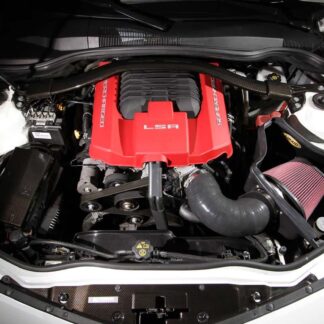
LSA 6.2L Supercharged Engine for Sale USA – High-Performance LSA V8 Engines
If you are searching for an LSA 6.2L supercharged engine for sale in the USA, Forged & Stocked Engines offers high-performance LSA V8 engine solutions for builders, performance enthusiasts, restoration projects, and engine swaps.
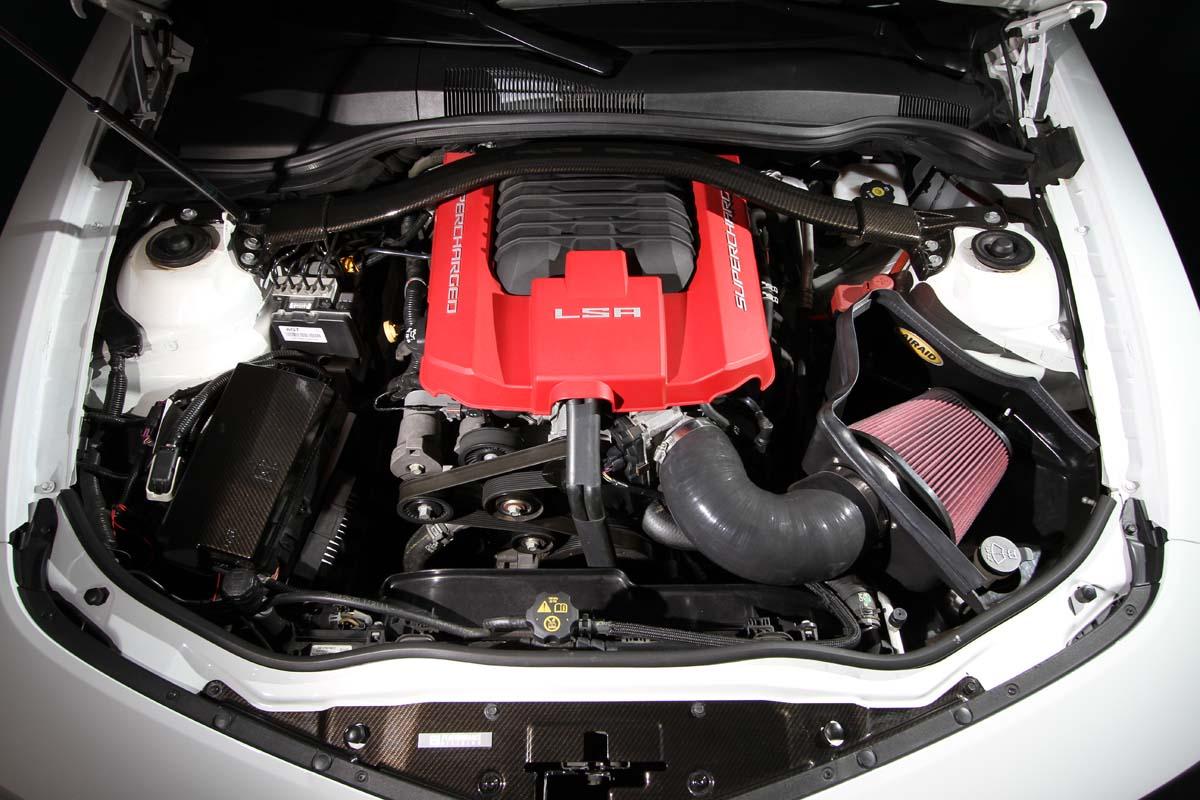
The GM LSA 6.2L supercharged V8 is one of the most recognizable supercharged LS engines ever produced. Originally developed for high-performance Cadillac CTS-V and Chevrolet Camaro ZL1 applications, the LSA combines a lightweight aluminum block, strong LS architecture, and factory supercharging to deliver impressive horsepower and torque. GM rated the LSA at 556 horsepower and 551 lb-ft of torque in the Cadillac CTS-V application, while the Camaro ZL1 version was rated at approximately 580 horsepower.
LSA 6.2L Supercharged Engine Specifications
The LSA is a 6.2-liter (376 cubic-inch) Gen IV V8 featuring a 4.065-inch bore and 3.622-inch stroke. The engine uses an aluminum block and aluminum cylinder heads, overhead valves, and a factory 1.9L supercharger with charge cooling.
Key LSA Engine Specifications
| Specification | LSA 6.2L Supercharged V8 |
|---|---|
| Engine Family | GM Gen IV LS |
| Displacement | 6.2L / 376 cu. in. |
| Configuration | V8 |
| Block Material | Aluminum |
| Cylinder Heads | Aluminum |
| Bore | 4.065 in. / 103.25 mm |
| Stroke | 3.622 in. / 92 mm |
| Compression Ratio | Approximately 9.1:1 |
| Supercharger | 1.9L |
| Induction | Factory Supercharged |
| Fuel | Premium Gasoline |
| CTS-V Output | 556 hp / 551 lb-ft |
| Camaro ZL1 Output | 580 hp / 556 lb-ft |
| Maximum Engine Speed | Approximately 6,200 rpm |
| Valvetrain | Overhead Valve |
| Firing Order | 1-8-7-2-6-5-4-3 |
Specifications can vary according to the original vehicle application and engine configuration, so buyers should verify the exact engine casting, RPO/VIN information, accessories, and included components before purchasing.
What Makes the LSA 6.2L Engine Special?
LSA 6.2L Supercharged Engine for Sale USA
was engineered as a factory-supercharged performance engine rather than a naturally aspirated LS engine modified with aftermarket forced induction.
Its combination of 6.2L displacement and factory 1.9L supercharging provides strong torque across the operating range while retaining the compact packaging and extensive aftermarket support associated with the LS engine family.
GM’s performance documentation describes the LSA as using an aluminum cylinder block, forged-steel crankshaft, piston-cooling oil jets, high-flow cylinder heads, and a 1.9L supercharger with four-lobe, high-twist rotors.
This makes the LSA particularly attractive to buyers who want a factory-based supercharged V8 for a high-performance build.
LSA 6.2L Supercharged Engine Applications
The LSA was used primarily in several high-performance GM applications.
Cadillac CTS-V
The LSA powered the 2009–2015 Cadillac CTS-V and was factory rated at 556 horsepower and 551 lb-ft of torque in the CTS-V application.
Chevrolet Camaro ZL1
The LSA was also used in the 2012–2015 Chevrolet Camaro ZL1. The ZL1 version produced approximately 580 horsepower, making it one of the most powerful factory Camaro engines of its era.
Because of these applications, LSA engines remain popular with performance enthusiasts looking for an authentic GM supercharged V8.
Why Buy an LSA Engine for a Performance Build?
There are several reasons why an LSA 6.2L supercharged engine can be an excellent choice for a performance project.
Factory Supercharged Performance
Instead of starting with a naturally aspirated LS engine and adding a supercharger, the LSA was designed from the factory around forced induction.
6.2L V8 Displacement
With 376 cubic inches of displacement, the LSA provides the combination of displacement and forced induction that performance builders look for when developing strong street and track vehicles.
Proven LS Architecture
The LSA belongs to the GM LS engine family, giving builders access to a broad range of aftermarket components, tuning solutions, accessories, transmissions, and swap equipment.
Strong Aftermarket Support
LS-based engines have been used in countless performance builds. This makes it easier for builders to find supporting components for custom projects.
Excellent Engine-Swap Potential
The compact dimensions and LS-based architecture make the LSA attractive for a variety of performance swaps, although installation requirements vary significantly by vehicle.
LSA Engine Swap Considerations
If you are purchasing an LSA engine for an engine swap, it is important to look beyond the engine itself.
Depending on the vehicle and configuration, your project may require:
- Engine management system
- ECU and wiring harness
- Fuel system
- Intercooler/charge-cooling system
- Radiator and cooling components
- Exhaust headers
- Engine mounts
- Transmission
- Clutch and flywheel for manual applications
- Driveshaft modifications
- Throttle and pedal components
- Power steering configuration
- Accessory drive components
- Custom tuning
LS engines share significant component interchangeability, but GM notes that compatibility details can vary between applications. Not every LS component is automatically compatible with every LS configuration.
For this reason, buyers should identify their vehicle, transmission, intended power level, and desired accessories before ordering an LSA engine package.
LSA vs. LS3
The LS3 and LSA are both 6.2L Gen IV LS engines, but they serve different purposes.
The LS3 is naturally aspirated, while the LSA uses factory supercharging. The LSA therefore provides a significantly different performance package without requiring the buyer to add an aftermarket supercharger to a naturally aspirated engine.
If your priority is a simpler naturally aspirated build, an LS3 may be suitable. If your goal is factory-supercharged V8 performance, the LSA is a compelling option.
LSA vs. LS9
The LSA and LS9 are closely related supercharged GM 6.2L engines, but they are not identical.
GM’s documentation identifies differences including the LSA’s 1.9L supercharger, different piston construction, and an eight-bolt flywheel arrangement compared with the LS9.
The LSA was positioned as a more accessible alternative to the LS9 while still delivering substantial factory-supercharged performance.
What Should You Check Before Buying an LSA Engine?
When purchasing an LSA 6.2L engine for sale, always confirm exactly what is included.
Important questions include:
- Is the engine complete or a long block?
- Is the supercharger included?
- Are the fuel injectors included?
- Is the throttle body included?
- Are the coils and ignition components included?
- Is the ECU included?
- Is the wiring harness included?
- Are the accessories included?
- What is the engine’s mileage or operating history?
- Is the engine tested?
- What is the engine’s compression condition?
- Which vehicle application did the engine come from?
- What warranty is provided?
- How will the engine be packaged and shipped?
These details can make a substantial difference to the final cost of completing an engine swap.
LSA 6.2L Supercharged Engine for Sale USA
At Forged & Stocked Engines, our goal is to help customers source high-performance engines for demanding automotive projects.
Whether you are building a Camaro, Cadillac CTS-V project, classic muscle car, custom LS swap, street-performance vehicle, or track-focused build, an LSA 6.2L supercharged V8 can provide an exceptional foundation.
We can help buyers identify the appropriate LSA configuration based on the vehicle, transmission, installation requirements, and intended application.
Looking for an LSA Engine for Sale?
If you are ready to buy an LSA 6.2L supercharged engine in the USA, contact Forged & Stocked Engines for current engine availability, specifications, configuration details, shipping information, and purchasing options.
Forged & Stocked Engines
Performance Engines for Automotive Builders and Enthusiasts
Contact: forgedandstockedengine@gmail.com
Frequently Asked Questions About the LSA 6.2L Engine
How much horsepower does an LSA 6.2L engine make?
The factory LSA produced 556 horsepower in the Cadillac CTS-V application. The Chevrolet Camaro ZL1 version was rated at approximately 580 horsepower.
Is the LSA engine supercharged from the factory?
Yes. The LSA is a factory-supercharged 6.2L V8 and uses a 1.9L supercharger with charge cooling.
What vehicles used the LSA engine?
The LSA was used in the 2009–2015 Cadillac CTS-V and 2012–2015 Chevrolet Camaro ZL1.
Is the LSA a good engine for an LS swap?
The LSA can be an excellent choice for an LS swap when the appropriate engine-management, cooling, fuel, transmission, mounting, and accessory components are selected for the target vehicle.
What is the displacement of the LSA engine?
The LSA has a displacement of 6.2 liters, or 376 cubic inches.
Does the LSA use an aluminum block?
Yes. The LSA uses an aluminum cylinder block and aluminum cylinder heads.
Is the LSA the same as the LS3?
No. Both are 6.2L Gen IV LS-family engines, but the LS3 is naturally aspirated while the LSA is factory supercharged.
Where can I buy an LSA 6.2L supercharged engine?
Forged & Stocked Engines offers LSA engine sourcing for U.S. performance customers. Contact us to confirm current availability, engine configuration, specifications, and shipping options.
Final Thoughts
The LSA 6.2L supercharged V8 remains a highly desirable performance engine because it combines 6.2L displacement, factory forced induction, aluminum construction, and the well-established GM LS engine architecture.
LSA engine for sale,
LSA 6.2 engine for sale,
LSA supercharged engine,
LSA crate engine for sale,
LSA 6.2L engine USA,
LSA V8 engine for sale,
6.2L supercharged V8 engine,
GM LSA engine for sale,
Cadillac CTS-V LSA engine,
Camaro ZL1 LSA engine,
LSA engine swap,
LSA crate motor,
LSA performance engine,
used LSA engine for sale,
LSA engine supplier USA,
Reviews
There are no reviews yet.