Description
Whipple 3.0L Supercharger USA : Performance, Features, Applications & Buying Guide
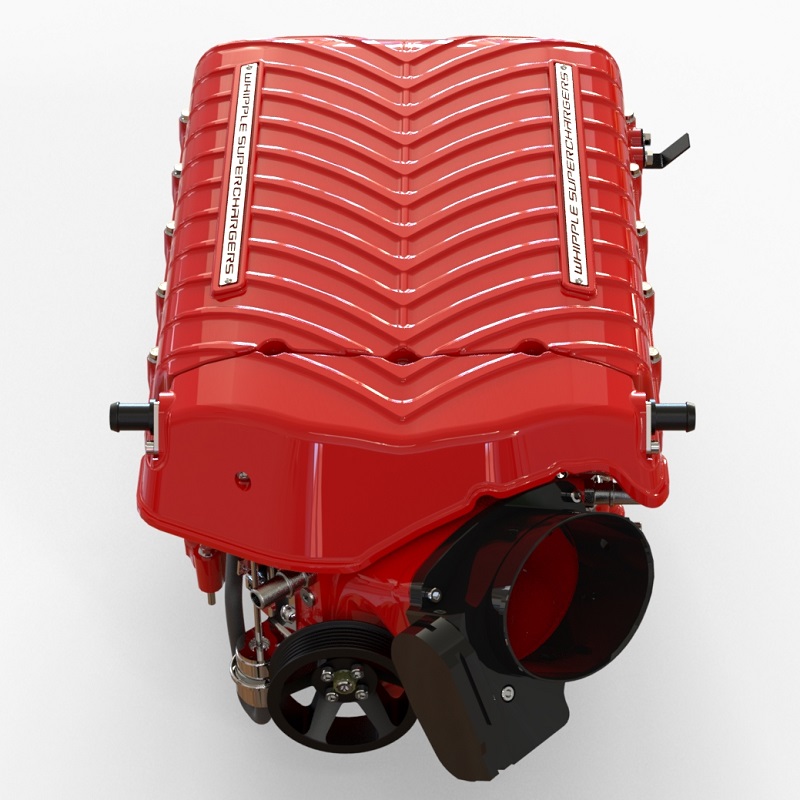
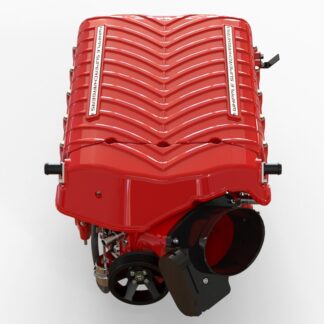
Whipple 3.0L Supercharger USA is a high-performance positive-displacement supercharger designed for enthusiasts, racers, and builders looking for substantial increases in horsepower and torque. With its large 3.0-liter displacement, advanced twin-screw technology, and strong airflow capability, the Whipple 3.0L is a popular choice for high-performance V8 applications.
Whether you are building a street performance vehicle, drag car, muscle car, or high-horsepower engine project, a Whipple 3.0L supercharger can provide significant forced-induction performance when properly matched with the engine, fuel system, ECU calibration, and supporting components.
What Is a Whipple 3.0L Supercharger?
The Whipple 3.0L is a twin-screw supercharger that forces additional air into an engine. Unlike a naturally aspirated engine, which relies on atmospheric pressure to fill the cylinders, a supercharged engine compresses intake air before it enters the combustion chamber.
The result is greater air density and the ability to burn more fuel, producing substantially more power.
The 3.0L designation refers to the approximate volume of air the supercharger can move per revolution. The large displacement makes this type of supercharger particularly suitable for engines where high airflow and substantial power increases are desired.
How Does the Whipple 3.0L Supercharger Work?
The Whipple 3.0L uses twin intermeshing rotors to compress incoming air. As the rotors turn, air is drawn into the supercharger, compressed, and delivered to the engine.
A typical supercharger system consists of:
- Twin-screw supercharger head unit
- Supercharger drive pulley
- Belt and tensioner system
- Intake manifold
- Throttle body
- Intercooler system
- Fuel-system upgrades
- ECU calibration
- Intake and air-filtration components
- Appropriate sensors and supporting hardware
Because the supercharger is mechanically driven by the engine, boost is available without waiting for exhaust gases to spool a turbocharger.
Whipple 3.0L Supercharger Performance
One of the major advantages of the Whipple 3.0L platform is its ability to support substantial horsepower increases when combined with an appropriately built engine and supporting system.
Actual power output depends on numerous factors, including:
- Engine displacement
- Compression ratio
- Supercharger pulley size
- Boost pressure
- Intercooler efficiency
- Fuel type
- Fuel-system capacity
- ECU calibration
- Cylinder-head flow
- Camshaft specifications
- Exhaust system
- Intake temperature
- Engine internals
For this reason, there is no single horsepower figure that applies to every Whipple 3.0L installation.
A stock engine with conservative boost may produce a very different result from a fully forged engine equipped with upgraded fuel delivery, cylinder heads, camshaft, exhaust, and aggressive calibration.
Whipple 3.0L on V8 Engines
The Whipple 3.0L supercharger is particularly attractive for high-performance V8 builds.
Potential applications can include engines from platforms such as:
- GM LS and LT V8 engines
- Ford Coyote 5.0L V8
- Ford Predator 5.2L V8
- High-performance HEMI applications
- Custom high-horsepower V8 builds
The exact supercharger kit, intake manifold, throttle body, belt system, injectors, and calibration requirements depend on the specific engine.
Before purchasing a Whipple 3.0L system, builders should confirm compatibility with the engine block, cylinder heads, intake configuration, fuel system, ECU, and vehicle chassis.
Whipple 3.0L vs Smaller Superchargers
A major reason enthusiasts choose a 3.0L supercharger is increased airflow capability.
Compared with smaller superchargers, a larger displacement unit can potentially move the required amount of air at a lower operating speed for a given airflow target. This can make it attractive for large-displacement engines and high-power applications.
However, bigger does not automatically mean better for every vehicle.
A supercharger should be selected according to the engine’s displacement, intended RPM range, desired horsepower, boost target, and available supporting components.
For a moderate street build, a smaller supercharger may provide an excellent combination of response and efficiency. For a high-horsepower engine, the Whipple 3.0L can provide substantially greater airflow potential.
Benefits of a Whipple 3.0L Supercharger USA
1. High Airflow Capacity
The 3.0L displacement provides substantial airflow capability, making the supercharger suitable for high-output engines.
2. Strong Low-End Torque
Because a positive-displacement supercharger supplies compressed air directly to the engine, it can produce strong torque throughout the RPM range.
3. Excellent Street Performance
With the correct calibration and pulley combination, a supercharged V8 can provide strong throttle response and impressive acceleration.
4. High-Horsepower Potential
The Whipple 3.0L platform is well suited to serious performance builds where the engine and supporting systems are designed to handle increased cylinder pressure.
5. Twin-Screw Technology
Twin-screw compression technology is designed to efficiently compress intake air while providing the airflow required by high-performance applications.
What Supporting Parts Do You Need?
Installing a large supercharger is not simply a matter of bolting the unit onto an engine.
A reliable high-performance installation may require:
Fuel System
High-flow injectors and an adequate fuel pump or pumps are essential when increasing engine airflow and fuel demand.
Engine Management
A professional ECU calibration is critical. The calibration must account for airflow, boost, ignition timing, fueling, throttle control, and other engine parameters.
Intercooling
An efficient intercooler system helps control intake-air temperature, which is particularly important during repeated high-load operation.
Belt Drive
The supercharger requires a properly designed belt-drive system capable of handling the increased load.
Exhaust System
A restrictive exhaust system can limit the performance of a high-flow supercharged engine.
Engine Internals
At higher power levels, forged pistons, connecting rods, appropriate bearings, head studs, and other upgraded components may be required depending on the engine and target power.
Whipple 3.0L Supercharger for a Coyote 5.0
The Ford Coyote 5.0L V8 is one of the popular platforms for supercharger performance builds.
A Whipple 3.0L installation on a Coyote can transform the engine from a naturally aspirated performance engine into a high-output forced-induction combination.
However, the correct combination depends on the specific Coyote generation.
Builders should identify the engine generation before purchasing components because intake manifolds, electronics, fuel systems, sensors, and other components can vary between generations.
For a high-power Coyote project, it is also important to consider the transmission, driveshaft, differential, axles, cooling system, and fuel delivery system—not just the engine and supercharger.
Whipple 3.0L Supercharger for LS and LT Engines
GM LS and LT engines are also excellent candidates for supercharger conversions.
A properly matched Whipple 3.0L system can provide the airflow required for a high-performance LS or LT build.
For serious applications, the complete combination should be considered:
Engine + Supercharger + Fuel System + Intercooler + ECU Tune + Transmission + Driveline
Increasing engine power without upgrading the supporting drivetrain can create reliability problems.
Fuel Requirements
Fuel selection is an important part of any supercharged engine build.
Depending on the application, builders may use premium gasoline, ethanol-based fuels, race fuel, or other suitable fuels.
Higher boost and more aggressive ignition timing can increase cylinder pressure and thermal load. The fuel system must therefore provide sufficient flow while the ECU calibration must be designed around the selected fuel.
Never assume that the factory fuel system is sufficient simply because the engine runs correctly at stock power.
Is the Whipple 3.0L Good for a Street Car?
Yes, when properly installed and calibrated.
The key is selecting a setup appropriate for the intended use.
For a street-driven vehicle, important considerations include:
- Conservative boost
- Reliable fuel delivery
- Efficient intercooling
- Professional ECU tuning
- Appropriate pulley selection
- Good engine cooling
- Proper belt alignment
- Adequate drivetrain strength
A street car does not necessarily need an extreme horsepower configuration. A well-matched system can deliver excellent performance while maintaining drivability.
Is the Whipple 3.0L Suitable for Racing?
The Whipple 3.0L can be an attractive option for high-performance and racing applications where substantial airflow is required.
Race-oriented builds may combine the supercharger with:
- Forged pistons
- Forged connecting rods
- Upgraded crankshaft components
- High-flow cylinder heads
- Performance camshaft
- Large fuel injectors
- High-capacity fuel pumps
- Upgraded intercooling
- Performance transmission
- Stronger axles and driveshaft
- Professional engine calibration
The appropriate configuration depends entirely on the racing class, engine platform, fuel, target horsepower, and intended RPM range.
Whipple 3.0L Supercharger USA Buying Guide
When purchasing a Whipple 3.0L supercharger, buyers should verify the following:
Engine Compatibility
Confirm that the supercharger system is designed for your exact engine and generation.
Kit Contents
Determine whether the purchase includes the intake manifold, throttle body, intercooler, pulley, belt drive, injectors, sensors, hardware, and other required components.
New vs Used
A used supercharger may be less expensive, but buyers should inspect rotor condition, bearings, seals, inlet components, intercooler condition, and mounting surfaces.
Fuel System
Make sure the fuel system can support the intended horsepower level.
Tuning
Budget for professional ECU calibration. A supercharger installation without appropriate tuning can cause serious engine problems.
Intended Power Level
Choose the system and supporting components based on the actual horsepower target rather than simply selecting the largest possible setup.
Whipple 3.0L Supercharger USA Maintenance
Regular inspection helps maintain the reliability of a supercharged engine.
Important maintenance areas include:
- Supercharger oil level and condition
- Drive belt condition
- Pulley alignment
- Belt tension
- Intake-system connections
- Intercooler system
- Coolant levels
- Fuel-system performance
- Spark plugs
- Engine oil
- ECU diagnostic data
The maintenance schedule should follow the specific manufacturer’s recommendations for the supercharger system.
Frequently Asked Questions
How much horsepower can a Whipple 3.0L make?
There is no universal horsepower figure. Output depends on the engine, boost level, pulley configuration, fuel, intercooling, cylinder heads, camshaft, ECU calibration, and supporting modifications
Does a Whipple 3.0L require an upgraded fuel system?
At increased power levels, the factory fuel system may not provide enough capacity. Fuel-system requirements should be calculated according to the target horsepower and fuel type.
Does a Whipple 3.0L require tuning?
Yes. Proper ECU calibration is an essential part of a supercharger installation.
Can a Whipple 3.0L be installed on a stock engine?
It can be possible on certain applications with an appropriate conservative setup, but engine strength and the intended power level must be evaluated before installation.
Is the Whipple 3.0L suitable for a Coyote 5.0?
Yes, specific Whipple systems are available for various Coyote applications. Compatibility depends on the exact Coyote generation and vehicle.
Conclusion
The Whipple 3.0L supercharger is a serious forced-induction option for enthusiasts building high-performance V8 engines. Its large displacement and twin-screw design make it particularly attractive for applications requiring significant airflow and horsepower potential.
The best results come from treating the supercharger as part of a complete performance system. Fuel delivery, intercooling, ECU tuning, engine internals, exhaust flow, transmission, and drivetrain strength should all be considered when planning the build.
If you are looking for a Whipple 3.0L supercharger for sale, a complete supercharger system, or a high-performance engine package, make sure you verify engine compatibility and the intended power level before purchasing.
- Whipple 3.0L supercharger for sale
- Whipple 3.0L supercharger kit
- Whipple 3.0L supercharger kit for sale
- Whipple 3.0L twin screw supercharger
- Whipple 3.0L supercharger horsepower
- Whipple 3.0L supercharger price
- Whipple 3.0L supercharger kit price
- Whipple 3.0L Coyote supercharger
- Whipple 3.0L LS supercharger
- Whipple 3.0L LT supercharger
- Whipple supercharger for V8
- high performance supercharger
- twin screw supercharger
- V8 supercharger kit
- supercharger for Coyote 5.0
- supercharger for LS3
- supercharger for LS engine
- high horsepower supercharger
- performance supercharger kit
- supercharger kit USA
Reviews
There are no reviews yet.