Description
Forged Engines for Sale USA | Built & High-Performance Engines
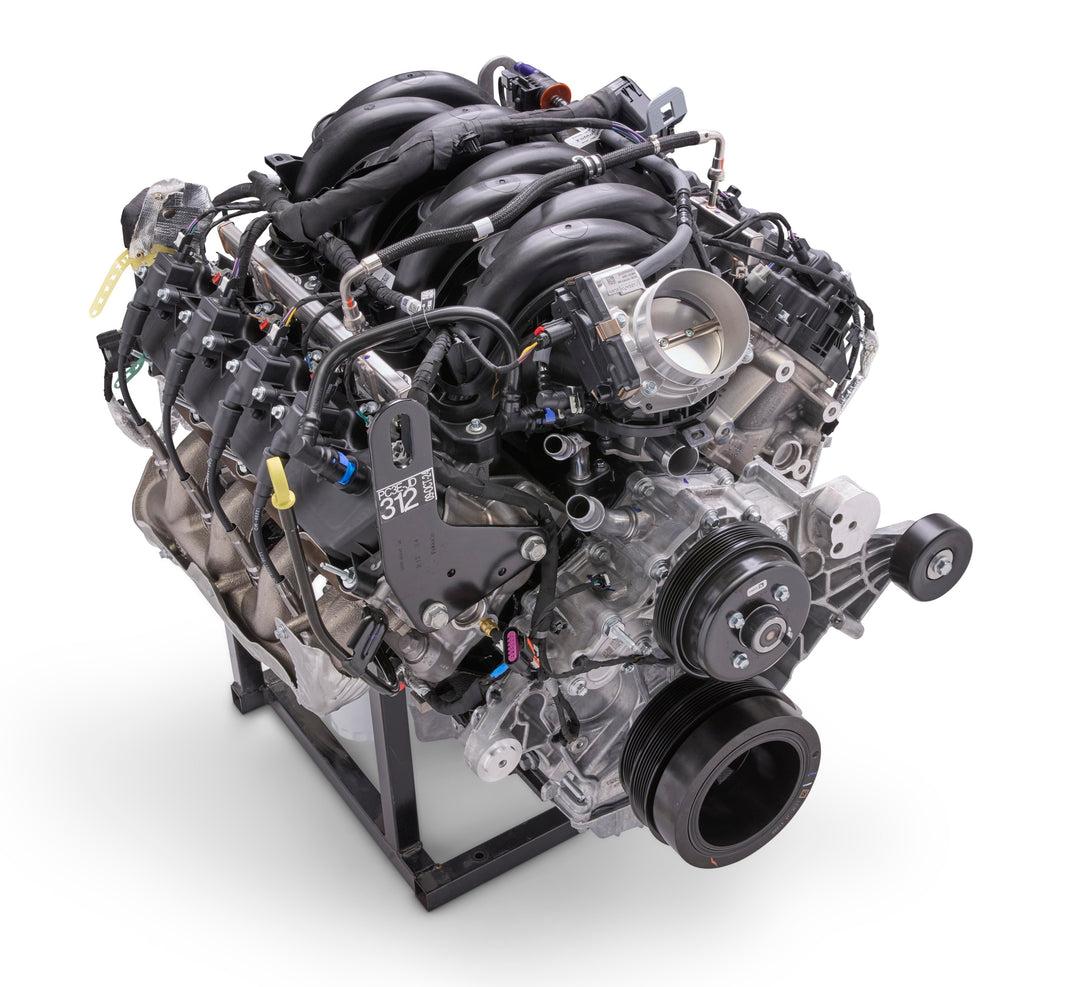
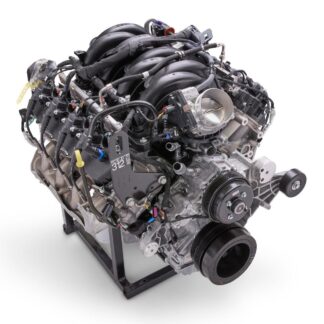
Forged Engines for Sale USA | Built & High-Performance Engines If you are searching for forged engines for sale in the USA, you need more than a powerful engine—you need an engine built around the right combination of components, performance goals, vehicle application, and reliability requirements.
At Forged & Stocked Engines, we help customers source performance engines for street cars, muscle cars, trucks, engine swaps, drag racing projects, restorations, and high-performance builds. Our selection includes American V8 engines, JDM performance engines, diesel engines, crate engines, built engines, and performance engine packages.
Whether you need an LS3, LS7, LSA, LSX, LT4, Coyote 5.0, Hellcat, 2JZ-GTE, RB26, or another performance engine, choosing the correct specification is essential for getting the power, drivability, and durability your project requires.

What Is a Forged Engine?
A forged engine generally refers to an engine built with high-strength forged internal components, particularly in the rotating assembly. Depending on the build, these components can include forged pistons, forged connecting rods, and forged crankshafts.
Forged components are popular in high-performance applications because performance engines can experience substantially greater cylinder pressure, engine speed, heat, and mechanical stress than standard factory applications.
However, a forged engine is not automatically a race engine. The correct combination depends on the intended horsepower, RPM range, fuel type, boost level, compression ratio, vehicle weight, and intended use.
For example, a street-driven performance car may require a very different engine combination from a drag racing vehicle targeting extreme horsepower.
Why Choose a Forged Engines for Sale USA | Built & High-Performance Engines?
A properly built performance engine allows the engine combination to be matched to the vehicle and its intended use.
Some of the major advantages can include:
- Higher-strength internal components
- Improved performance potential
- Better suitability for forced induction
- Increased durability for demanding applications
- Custom compression ratios
- Performance camshaft options
- Upgraded cylinder heads
- Improved oiling systems
- Balanced rotating assemblies
- Turbocharger or supercharger compatibility
- Greater flexibility for engine swaps
The most important factor is not simply choosing the engine with the highest horsepower rating. The engine should be matched to the entire vehicle.
A high-output engine may require an upgraded fuel system, transmission, clutch or torque converter, driveshaft, differential, cooling system, exhaust system, ECU calibration, and supporting modifications.

Forged Crate Engines for Sale USA
A forged crate engine can be an excellent option for customers who want a performance-focused engine without starting a complete engine build from individual components.
Crate engines are available in different configurations, including:
- Short-block engines
- Long-block engines
- Complete engines
- Turnkey engine packages
- Naturally aspirated performance engines
- Turbo-ready engines
- Supercharger-ready engines
- Race engines
- Engine and transmission packages
When comparing crate engines, always check exactly what is included.
Some engines are supplied as long blocks while others include intake systems, throttle bodies, fuel systems, ignition components, oil pans, accessories, or other installation components.
This is particularly important when calculating the actual cost of an engine swap.
Popular High-Performance Engines in the USA
LS3 Performance Engines
The Chevrolet LS3 6.2L V8 is one of the most popular choices for performance builds and engine swaps.
Its compact architecture, aftermarket support, strong power potential, and broad vehicle compatibility make the LS3 attractive for muscle cars, street cars, trucks, and custom projects.
For customers looking for an LS3 engine for sale USA, available configurations can include stock-style engines, performance-built LS3 engines, forged LS3 combinations, and complete engine packages.
LSA 6.2L Supercharged Engine
The 6.2L LSA V8 is known for factory supercharged performance and is popular among enthusiasts building high-output street cars and muscle cars.
An LSA-based performance build can be configured around the desired power level, supporting modifications, fuel system, and intended use.
Ford Coyote 5.0 V8
The Ford Coyote 5.0L V8 is another major choice for American performance builds.
Its DOHC architecture and large aftermarket make it popular for Mustang builds, swaps, street performance vehicles, and forced-induction applications.
High-performance Coyote configurations can use forged pistons and performance connecting rods. Ford Performance itself offers Aluminator configurations using forged pistons and Manley H-beam connecting rods for high-performance applications.
Hellcat HEMI
The 6.2L supercharged Hellcat HEMI has become a popular engine for high-performance Mopar builds and engine swaps.
Its factory supercharged architecture provides a strong foundation for enthusiasts looking for substantial horsepower without starting with a naturally aspirated engine.
Toyota 2JZ-GTE
For JDM enthusiasts, the Toyota 2JZ-GTE remains one of the most recognized performance engines.
The 3.0L twin-turbo inline-six is particularly popular for engine swaps, Supra builds, drift cars, drag racing projects, and turbocharged applications.
Nissan RB26
The Nissan RB26DETT is another legendary JDM performance engine. Its association with the Skyline GT-R has made it highly desirable among collectors, restorers, and performance enthusiasts.
Forged vs. Stock Engines: Which Is Better?
The best choice depends on your application.
A stock engine can be an excellent solution for a standard replacement, restoration, daily driver, or moderate-performance build.
A forged engine becomes more attractive when the project requires increased power, higher boost, aggressive RPM, or additional strength from the internal components.
Stock Engine
A stock or factory-specification engine may be appropriate for:
- Daily driving
- Factory replacement
- Restoration projects
- Mild engine swaps
- Original-equipment builds
- Moderate horsepower applications
Forged Performance Engine
A forged combination may be better suited for:
- Turbocharged vehicles
- Supercharged vehicles
- Drag racing
- Track cars
- High-horsepower street cars
- Competition vehicles
- Serious engine swaps
- High-RPM applications
The correct engine should always be selected according to the complete vehicle combination rather than horsepower alone.
What Should You Look for When Buying a Forged Engine?
Before purchasing a built engine for sale, ask for detailed information about the build.
1. Engine Block
The block is the foundation of the engine. Determine whether the engine uses a factory block, upgraded block, aftermarket block, aluminum block, or cast-iron block.
2. Crankshaft
Ask whether the crankshaft is cast, forged, or billet and determine whether it has been balanced for the intended rotating assembly.
3. Connecting Rods
Performance connecting rods should be selected according to the intended horsepower and RPM.
Common performance configurations include H-beam and I-beam connecting rods with high-strength fasteners.
4. Pistons
Ask whether the engine uses cast, hypereutectic, or forged pistons.
For boosted applications, piston selection should take into account compression ratio, boost pressure, fuel type, combustion temperature, and intended horsepower.
5. Compression Ratio
Compression ratio should match the intended fuel and power-adder configuration.
A naturally aspirated engine, turbocharged engine, and supercharged engine may require different compression strategies.
6. Cylinder Heads and Camshaft
Cylinder-head flow, valve size, camshaft specifications, intake manifold, and exhaust system all influence the final engine combination.
A high-horsepower engine is not created by simply installing large components. The components must work together.
7. Engine Management and Tuning
Modern performance engines require proper ECU calibration.
Fuel delivery, ignition timing, air-fuel ratio, boost control, sensors, and engine protection strategies must be correctly configured.
Professional tuning is particularly important on turbocharged and supercharged engines.
Built Engines for Street Cars
A common mistake when buying a performance engine is focusing entirely on peak horsepower.
For a street car, drivability is extremely important.
A well-designed street performance engine should provide usable torque, reasonable idle characteristics, appropriate fuel requirements, manageable temperatures, and compatibility with the vehicle’s transmission and drivetrain.
For many street builds, a properly matched 400–700 horsepower combination can be more enjoyable than an extreme race engine that produces substantially more power but is difficult to drive.
The engine should be designed around how the vehicle will actually be used.
High-Performance Engines for Racing
Race applications require a different approach.
Drag racing, road racing, drifting, off-road racing, and other motorsports can place very different demands on an engine.
A racing engine may require:
- Forged rotating assembly
- Performance block
- Upgraded bearings
- High-strength fasteners
- Performance oil pump
- Improved cooling
- High-flow cylinder heads
- Aggressive camshaft
- High-flow intake system
- Large fuel system
- Turbocharger or supercharger
- Professional ECU calibration
The supporting drivetrain must also be capable of handling the engine’s output.
Engine Swap Considerations
If you are buying an engine for an engine swap, do not purchase the engine before checking compatibility.
Important considerations include:
- Engine mounts
- Transmission compatibility
- Bellhousing pattern
- Oil-pan clearance
- Accessory drive
- Wiring harness
- ECU
- Fuel system
- Cooling system
- Exhaust clearance
- Driveshaft
- Differential
- Vehicle electronics
Some crate engines may require additional components or modifications during installation. Factory documentation for modern crate engines also warns that retrofitting different applications can require changes to cooling, fuel, electrical, and exhaust systems.

Why Buy Performance Engines from Forged & Stocked Engines?
At Forged & Stocked Engines, our goal is to help customers find the right engine for their specific project.
We offer access to a broad range of performance and replacement engines, including American V8 engines, JDM engines, diesel engines, crate engines, built engines, and performance engine combinations.
Customers can contact us when looking for:
- Forged engines for sale USA
- Built engines for sale
- High-performance crate engines
- LS engines
- LS3 engines
- LSA engines
- LSX engines
- Coyote 5.0 engines
- Hellcat engines
- 2JZ engines
- RB26 engines
- Diesel performance engines
- Engine swap packages
- Performance engine components
Our product selection is designed for enthusiasts, workshops, vehicle builders, importers, restoration projects, and customers looking for performance-focused engine solutions.
How to Choose the Right Forged Engine
Before placing an order, provide as much information about your project as possible.
We recommend identifying:
Vehicle: Make, model, and year
Application: Street, drag racing, track, drift, restoration, truck, or swap
Target horsepower: Desired horsepower range
Fuel: Pump gasoline, E85, race fuel, diesel, etc.
Power adder: Naturally aspirated, turbocharged, supercharged, or nitrous
Transmission: Manual or automatic
Desired engine configuration: Short block, long block, complete engine, or turnkey package
Budget: Your target engine budget and supporting-component budget
Having these details available makes it easier to select an engine that fits your vehicle and performance goals.

Frequently Asked Questions
What is a forged engine?
A forged engine generally refers to an engine using forged high-strength components in its internal rotating assembly, such as forged pistons, connecting rods, and/or a forged crankshaft.
Are forged engines better than stock engines?
Not necessarily for every application. A stock engine may be ideal for a factory replacement or moderate street application, while a properly designed forged engine can be better suited to high-power, boosted, racing, and demanding applications.
What is the best forged engine for a street car?
There is no single best engine for every vehicle. LS, Coyote, HEMI, JDM, and other platforms can all be excellent depending on the vehicle, transmission, budget, power target, and intended use.
Can a forged engine be turbocharged?
Yes. Forged internal components are commonly used in high-performance turbocharged applications, but the complete engine combination must be designed for the intended boost and power level.
How much horsepower can a forged engine make?
There is no universal horsepower limit for a forged engine. The actual capability depends on the block, crankshaft, rods, pistons, cylinder heads, fuel system, tuning, RPM, boost, cooling, and many other factors.
Do forged engines require special maintenance?
Performance engines can require more careful maintenance than standard factory engines, particularly when operated at high power levels. Proper oil, cooling, tuning, fuel delivery, and regular inspection are important.
Find Forged Engines for Sale in the USA
If you are searching for forged engines sale in the USA, built performance engines, high-performance crate engines, or an engine for your next swap, start by defining your vehicle and power requirements.
The right engine is not simply the engine with the biggest horsepower number. It is the engine whose components, power output, fuel system, transmission, cooling system, and drivetrain are correctly matched to your project.
Explore the performance engine selection at Forged & Stocked Engines and contact our team for help identifying an engine configuration for your application.
Forged & Stocked Engines — Performance Engines Built for Your Project.

Reviews
There are no reviews yet.